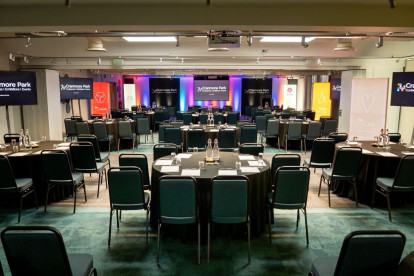
Planning a stress-free corporate event: The ultimate checklist
5 Mar, 2026 - 4 min read

Planning a large-scale corporate event can feel a bit like conducting a symphony while riding a bike. Between the high stakes of professional networking and the granular details of dietary restrictions, things can get overwhelming fast.
But here’s the secret. Stress isn't caused by the event itself, it’s caused by the unknowns. By breaking the process down into a logical timeline, you can stay ahead of the chaos.
Phase 1: The foundation (4–6 months pre-event)
Before you even think about booking a single cappuccino, you need to define the 'Why'. Without a clear goal, you're effectively just throwing an expensive get-together.
Define your objectives: Is this event for team building, a product launch, or an annual gala?
Establish the budget: And make sure you include a 10-15% contingency fund for those unplannable extras.
Select the date: Check your competition. Are there any major industry conferences or holidays that might affect your attendance.
Pick the venue: Look for all-inclusive options (AV, catering, seating) to reduce the number of suppliers you have to manage.
Phase 2: The logistics (3 months pre-event)
This is where the vision starts to get legs. At this stage, you’re securing the people who will make the magic happen.
Curate the event schedule: Secure your keynote speakers or any entertainment (e.g. live music etc).
Send 'save the dates': In the corporate world, calendars fill up months in advance so make sure your target audience has lots of notice.
Check your tech: Ensure the venue has high-speed Wi-Fi and all the necessary AV hardware requirements. There is nothing more stressful than a 'loading...' screen during a guest speaker presentation.
Confirm catering: Plan for diversity. Vegan, gluten-free, and Halal options aren't just nice to have - they're essential.
Phase 3: The deep detail (1 month pre-event)
As you get closer to your event, the third phase is less about the big picture and more about the fine print.
Check registration: Is the process and RSVP platform working seamlessly?
Branding: Are all your banners, badges, signage and merchandise ordered?
Floor Plan: Is there enough space for break-out areas and networking?
Scripts: Do your guest speakers have their talking points mapped out?
Phase 4: The final countdown (1 week to go)
With only 7 days to go you should be out of the planning stage and into the confirming stage.
The walk-through: Do a physical or virtual tour of the space to visualise your guest journey/ experience.
Supplier check-ins: Re-confirm timings and contact numbers for everyone involved in your event (from the florist to the DJ).
The emergency kit: Pack a bag with extra phone and laptop chargers, sellotape, scissors, pens, paper, and a basic first-aid kit.
Phase 5: Event day
When the big day arrives, your role is to oversee everything, not do everything.
Pro Tip: If something goes wrong (and it might), don't panic. If your attendees don't notice it, it didn't happen. Stay calm, and your team will follow your lead.
Arrive early: Be the first person on-site to handle any last minute hiccups.
Brief the team: Ensure everyone is clear on their own roles and responsibilities, and that they are clear on the chain of command for the day.
Take a breath: Remember to eat and keep hydrated, you can't manage an event on an empty tank!
In conclusion
A stress-free event is the result of 90% preparation and 10% flexibility. When you have a solid checklist and a clear critical path, you can handle the unexpected with grace, and maybe even enjoy a glass of champagne at the end of the night!